XLPE (Cross-Linked Polyethylene) Rotomoulding Powder is a modified form of polyethylene that undergoes a chemical or physical process to create cross-links between polymer chains. These cross-links form a three-dimensional network structure, which significantly improves the material’s physical and chemical properties.
In Rotomoulding, XLPE is used in powder form for ease of melting, uniform distribution inside molds, and even wall thickness during the molding process.
Begins with high-quality linear low-density polyethylene (LLDPE) or low-density polyethylene (LDPE) resins.
Cross-Linking Additives
Special peroxide-based or silane-based additives are introduced to initiate cross-linking during the heating cycle.
Grinding
The resin is ground into fine powder (typically 35 mesh to 100 mesh) to facilitate even melting and molding.
Coloring (Optional)
Pigments or UV stabilizers are added depending on the application.
Key Properties of XLPE Rotomoulding Powder
Thermal Stability
Maintains strength at higher temperatures (up to ~110–120°C)
Stress Crack Resistance
Excellent resistance to slow crack growth and fatigue
Impact Resistance
Withstands mechanical shocks and drops without cracking
UV Resistance
Suitable for outdoor use with UV stabilizers
Chemical Resistance
Resists acids, bases, salts, and most organic solvents
Electrical Insulation
Excellent electrical properties, used in insulating products
Low Water Absorption
Ideal for water tanks and liquid containers
Rotational Molding Process for XLPE
Loading
Powder is loaded into a hollow mold.
Heating & Rotation
Mold is heated while rotating biaxially in an oven.
Cross-Linking Reaction
During heating, the cross-linking agent activates and bonds polymer chains.
Cooling
Mold is cooled while still rotating to solidify the product.
Demolding
Final product is removed with enhanced durability and form integrity.
Benefits Over Conventional PE
Feature
Standard PE
XLPE
Durability
Good
Excellent
Heat Distortion Temp.
90–100°C
110–120°C
Crack Resistance
Moderate
High
Environmental Resistance
Moderate
Very High
Life Expectancy (Outdoor Use)
5–7 years
10+ years
Chemical Compatibility
Standard Chemicals
Broad range including aggressive chemicals
Typical Technical Specifications
Property
Test Method
Value (Typical)
Density
ASTM D1505
0.935 – 0.940 g/cm³
Price
100 Rupees to 180 Rupees Per Kilogram
–
Melt Flow Index (190°C/2.16kg)
ASTM D1238
4.0 – 8.0 g/10 min
Tensile Strength @ Yield
ASTM D638
18 – 22 MPa
Elongation @ Break
ASTM D638
> 500%
Vicat Softening Point
ASTM D1525
~115°C
Environmental Stress Crack Res.
ASTM D1693
> 1000 hrs
Impact Strength
ASTM D256
No break
Availability
XLPE Rotomoulding Powders are available in:
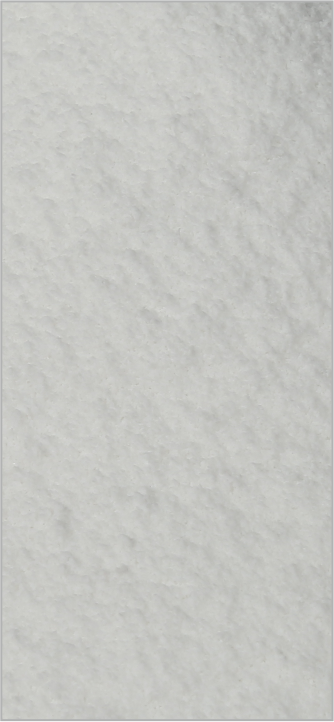
Natural (unpigmented)
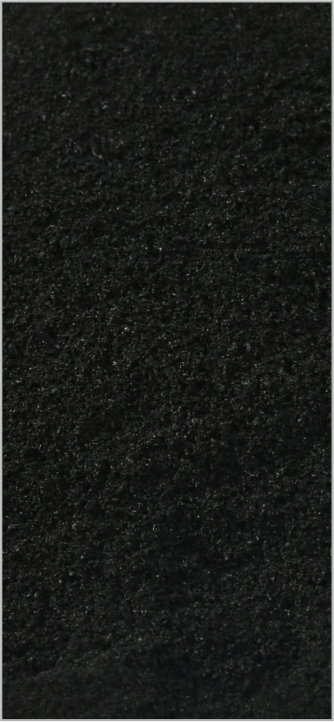
Black (with carbon black for UV protection)
Custom Colors (with pigments and UV additives)
Available in 25 kg bags, 500 kg jumbo bags, or bulk loose powder.
Storage & Handling
Store in cool, dry areas away from direct sunlight.
Ensure the material is free from contamination before use.
Use proper ventilation and protective gear during processing to handle fumes generated during cross-linking.
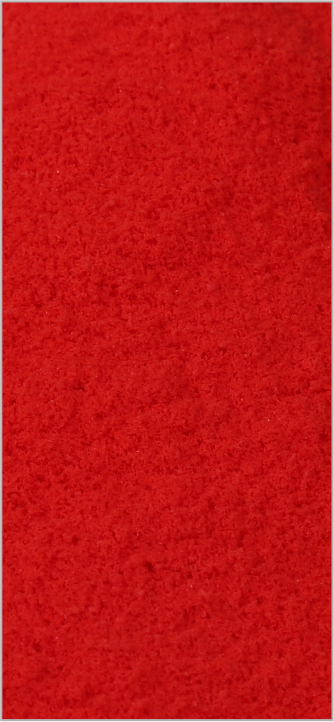
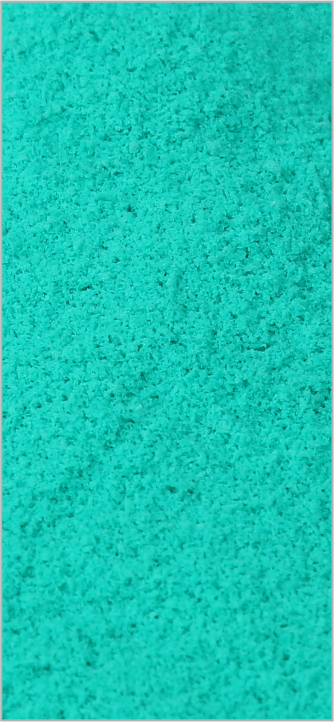
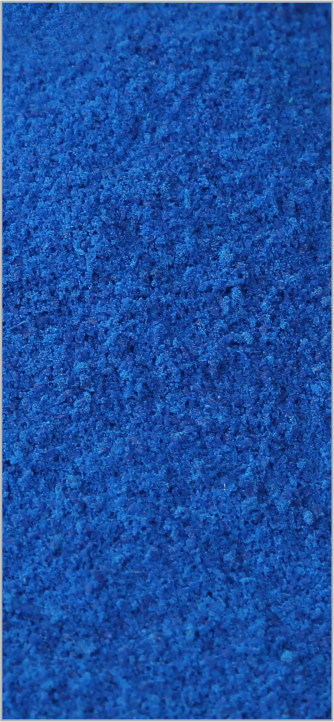
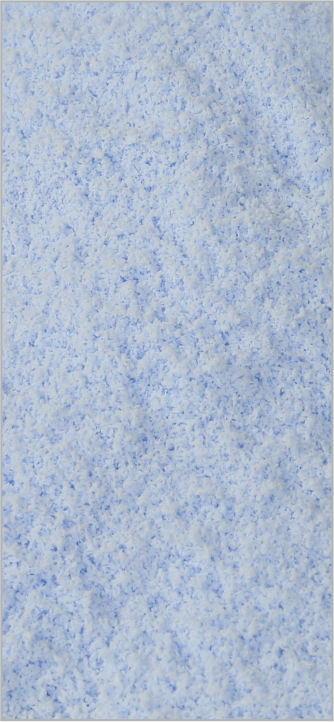
Available Colours
Red
Sea
Blue
Blue Tone
Black
White
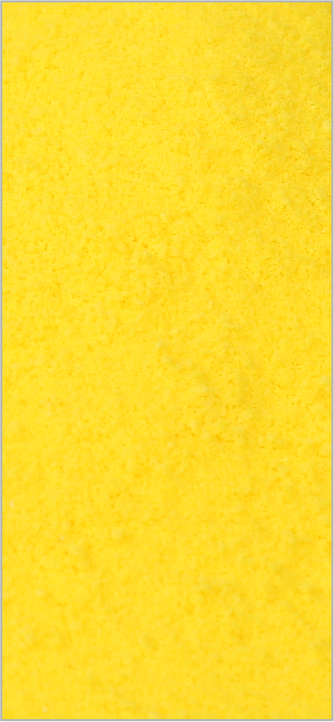
Yellow
Custom
Note: We can also make the custom powder based on your requirements.
Application Industries
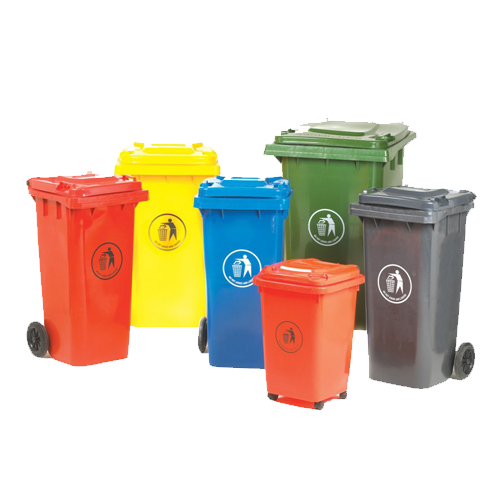
Plastic Dustbins
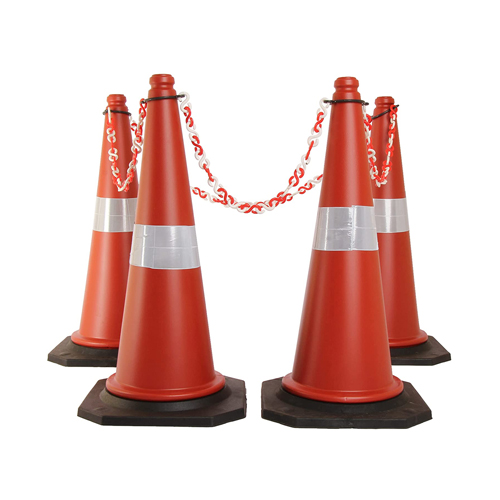
Traffic Cone
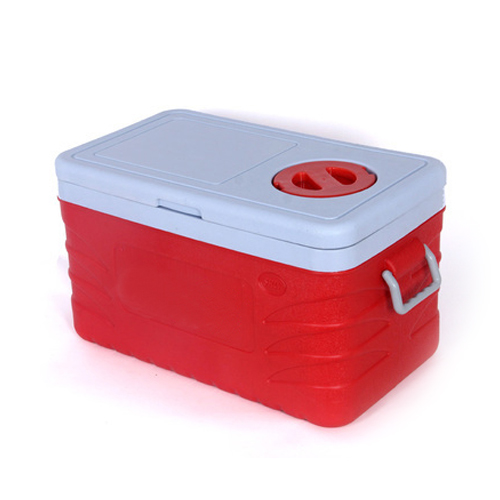
Ice Box
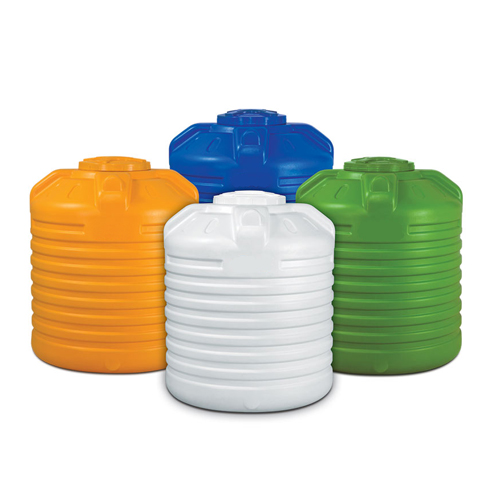
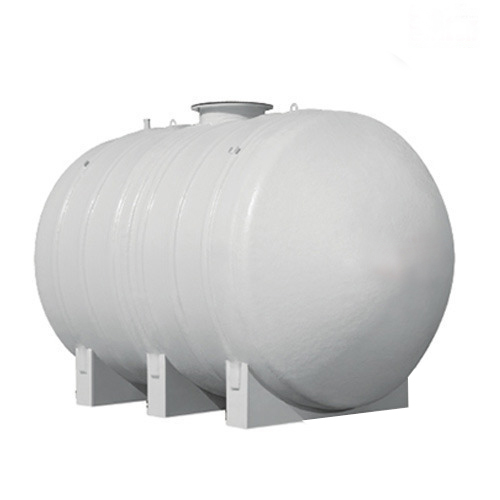
Water Tanks
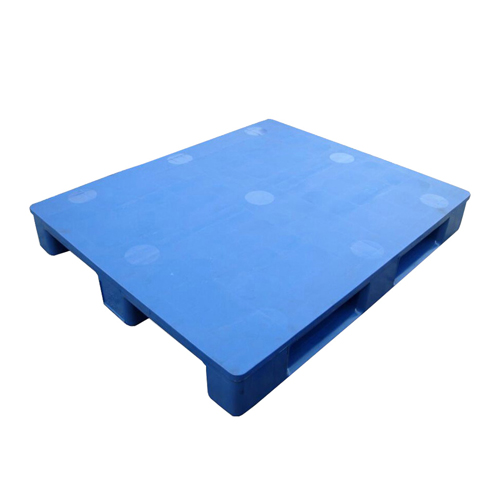
Plastic Pallets
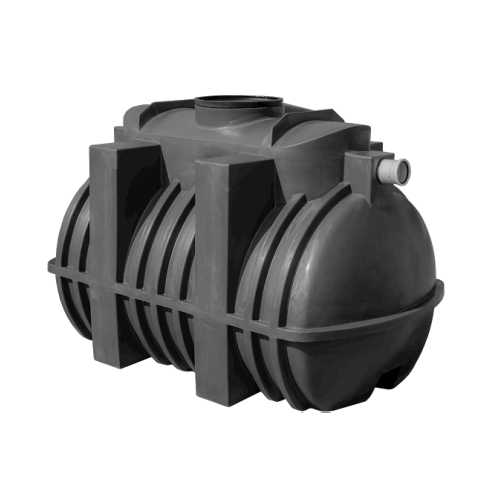
Septic Tank
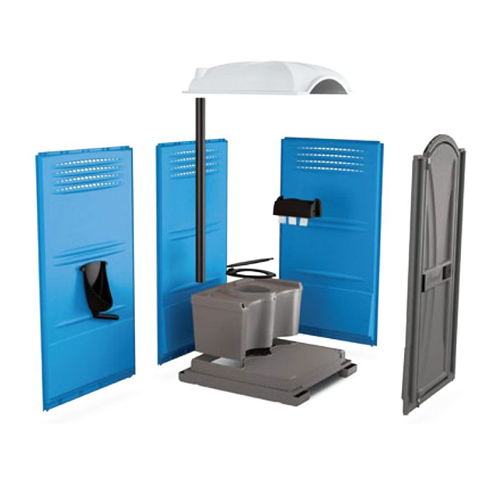
Mobile Portable Toilet
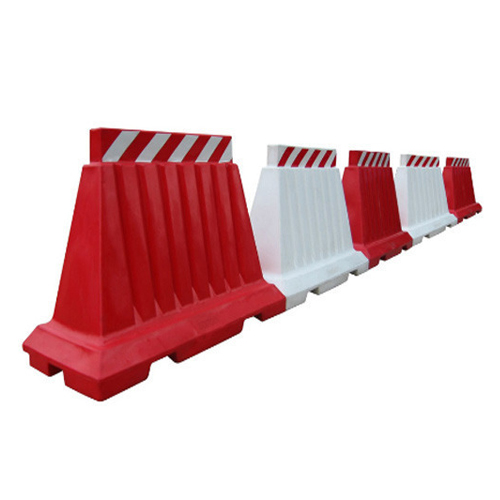
Road Barrier
Underground Tank
FAQs
What is XLPE Rotomoulding Powder?
XLPE Rotomoulding Powder is Cross-Linked Polyethylene in powdered form, specially designed for use in rotational molding processes. It forms a strong, seamless, and durable product with excellent resistance to stress, impact, and environmental conditions.
How is XLPE different from standard polyethylene in Rotomoulding?
Unlike standard polyethylene, XLPE has cross-linked polymer chains that offer superior heat resistance, crack resistance, and durability, especially in applications involving chemicals, stress, or outdoor exposure.
What are the key advantages of using XLPE for Rotomoulding?
High thermal stability
Excellent environmental stress crack resistance
Superior impact strength
Longer lifespan in outdoor applications
Chemical and UV resistance
What are the common applications of XLPE Rotomoulding powder?
It is widely used in the manufacturing of water tanks, septic tanks, chemical containers, traffic barriers, marine buoys, and outdoor furniture.
Is XLPE Rotomoulding powder UV resistant?
Yes, especially when formulated with UV stabilizers or carbon black. This makes it ideal for outdoor products exposed to sunlight.
Can XLPE be recycled?
Due to its cross-linked nature, XLPE is not easily recyclable like standard thermoplastics. However, it offers a longer service life, reducing overall environmental impact.
What colors are available in XLPE Rotomoulding powder?
It is available in natural (white), black (UV stabilized), and custom colors upon request.
What is the typical mesh size of XLPE powder for Rotomoulding?
The powder typically ranges from 35 to 100 mesh to ensure smooth melting and even product thickness during molding.
What is the shelf life of XLPE Rotomoulding powder?
When stored in a cool, dry place away from direct sunlight and moisture, XLPE powder has a shelf life of up to 12 months or more.
What are the storage guidelines for XLPE powder?
Store in sealed bags or containers in a dry, shaded area. Avoid exposure to moisture, heat, and contamination to maintain quality.
Is there a difference between peroxide and silane cross-linked XLPE?
Yes. Peroxide-based XLPE cross-links during the molding process, offering more uniform properties, while silane-based systems require post-treatment like moisture curing. Peroxide-based XLPE is more commonly used in Rotomoulding.