Antistatic Rotomoulding Powder is a specialized polyethylene-based compound formulated for rotational moulding applications that require static charge dissipation. It combines the excellent processing and mechanical properties of standard rotomoulding materials with enhanced electrostatic discharge (ESD) protection.
This powder is engineered with antistatic additives that are uniformly blended and dispersed to prevent the buildup of static electricity during or after manufacturing, making it especially suitable for applications in sensitive, flammable, or dust-prone environments.
Prevents accumulation of static electricity on the molded product surface, reducing the risk of sparks or dust attraction.
Uniform Particle Size Distribution
Provides consistent flow and sintering behavior in the mold for a smoother surface finish and defect-free production.
Excellent Mold Release & Flow
Ensures efficient production cycles with less waste and easy de-molding.
High Mechanical Strength
Retains durability, impact strength, and flexibility typical of high-quality rotomoulding materials.
UV Stabilized Grades Available
Optional grades with UV protection are offered for outdoor applications.
Color Customization
Can be pigmented to any color while maintaining antistatic properties (depending on the application).
Applications
Electronics enclosures & device casings
Chemical handling tanks and containers
Fuel storage tanks
Industrial dust bins
Antistatic pallets and crates
Medical waste bins
Agricultural sprayer tanks
Explosion-prone zones (e.g., refineries, chemical plants)
Technical Specifications (Typical)
Property
Value
Base Material
LLDPE / HDPE (varies by grade)
Price
100 Rupees to 180 Rupees Per Kilogram
Melt Flow Index (MFI)
3 – 8 g/10 min
Surface Resistivity
10⁶ – 10⁹ ohm/sq
Density
0.935 – 0.940 g/cm³
Color
Customizable
UV Resistance (optional)
Up to 800 hours (QUV B)
Processing Temperature
200 – 220°C
Processing & Handling Guidelines
To achieve optimal results with antistatic rotomoulding powder, follow these practices:
Drying
Ensure the powder is dry before processing. If exposed to moisture, pre-dry at 60–70°C for 2–4 hours.
Mold Temperature
Recommended between 200°C and 220°C.
Cooling
Avoid rapid cooling as it may affect surface quality.
Cleaning
Use clean, oil-free molds to prevent contamination.
Storage
Keep in sealed bags in dry, shaded areas.
Standard vs Antistatic Rotomoulding Powder
Feature
Standard PE Powder
Antistatic Rotomoulding Powder
Static Charge Accumulation
High
Very Low
Surface Resistivity
10¹⁴ – 10¹⁶ ohm/sq
10⁶ – 10⁹ ohm/sq
ESD Safety
Not suitable
Highly suitable
Surface Dust Attraction
High
Low
Color Options
Wide
Selective (compatible only)
Cost
Lower
Slightly higher (value-added)
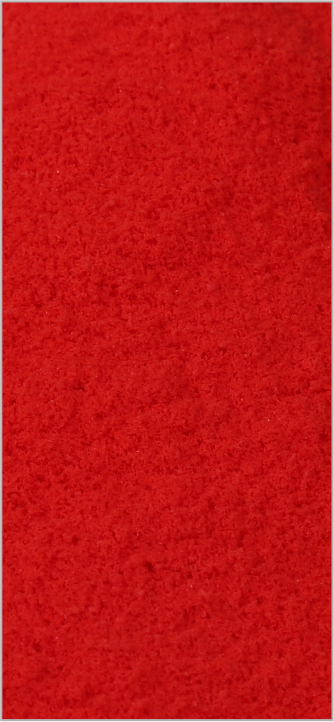
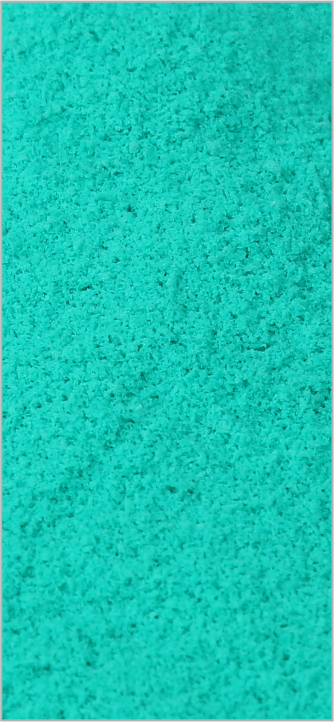
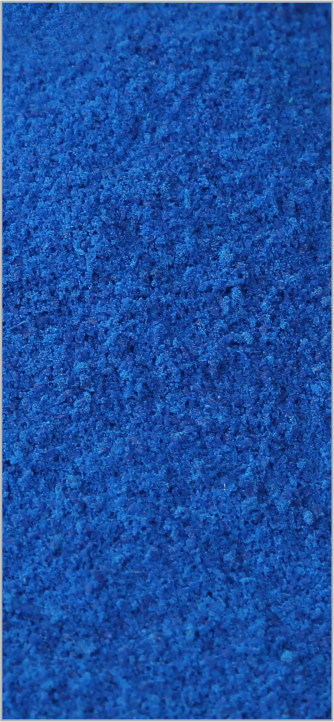
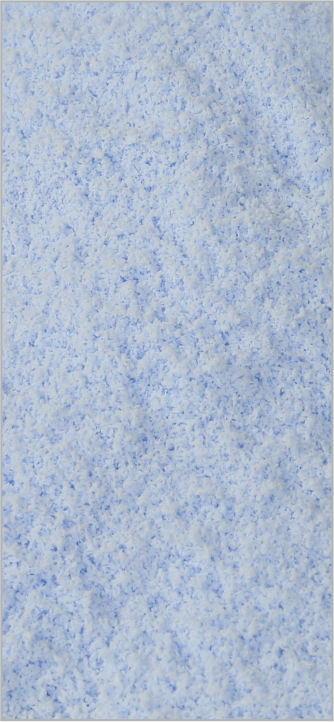
Available Colours
Red
Sea
Blue
Blue Tone
Black
White
Yellow
Custom
Note: We can also make the custom powder based on your requirements.
FAQs
What is antistatic rotomoulding powder used for?
It is used to make plastic products through rotational molding that need to prevent static electricity buildup — ideal for electronics, chemicals, and flammable material handling.
How does it work?
The powder contains antistatic additives that lower the surface resistivity of the plastic product, allowing static charges to dissipate rather than accumulate.
Is it safe for food contact applications?
Only specific food-grade versions are available. If you’re targeting food applications, confirm with the supplier whether FDA or EU food contact compliance is available.
Can I get it in different colors?
Yes. However, colors should be chosen carefully as some pigments might reduce antistatic performance. Manufacturers typically provide compatible color options.
Is it available in UV-resistant grades?
Yes. If your application involves outdoor exposure, UV-stabilized versions are available upon request.
What is the difference between conductive and antistatic powders?
Antistatic powders reduce static buildup, while conductive powders actively conduct electricity. Antistatic is suitable for dissipating small charges; conductive is for critical ESD protection.
What molding machines can be used with this powder?
It is compatible with all standard rotomoulding machines including biaxial, shuttle, and rock-and-roll type machines.
Is there any special storage requirement?
Yes. Store in a dry, cool place away from moisture. Antistatic performance can be affected by humidity and improper storage.
Does the antistatic property degrade over time?
The antistatic effect may reduce over time depending on environmental exposure. Some grades use permanent antistatic agents for long-term effectiveness.
Can it be recycled?
Yes, in many cases. However, performance might vary after recycling. It’s recommended to test recycled material for critical antistatic applications.